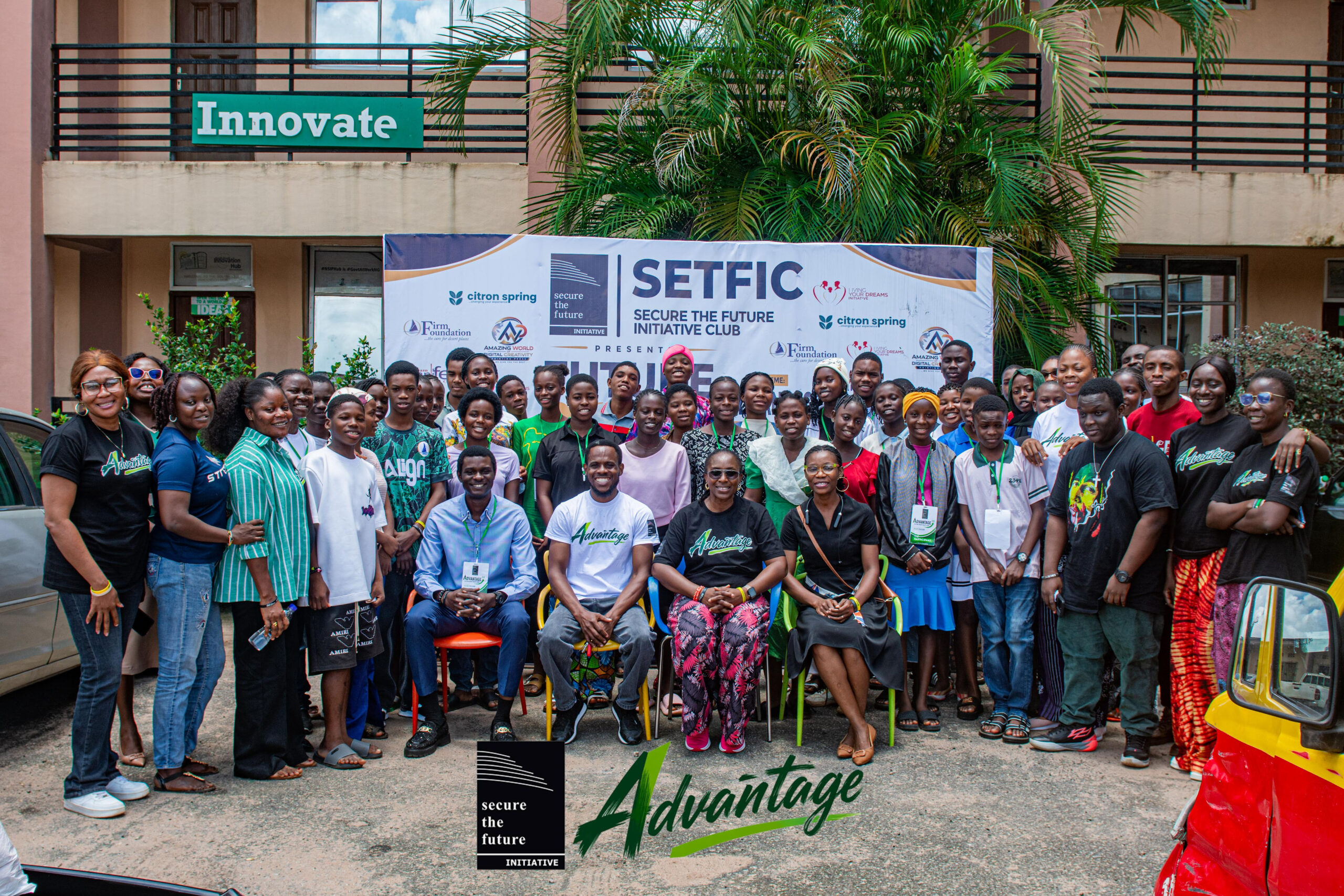
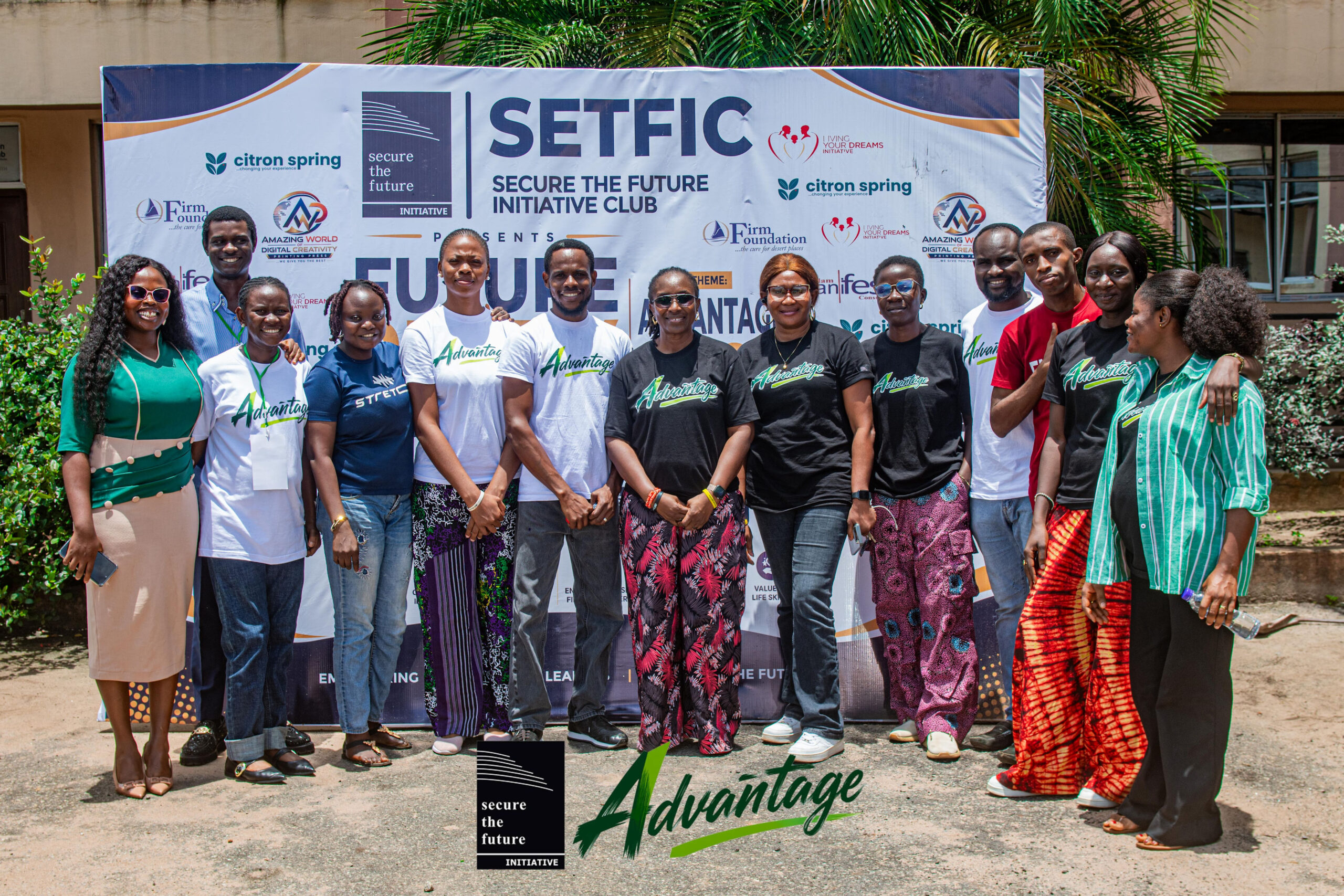
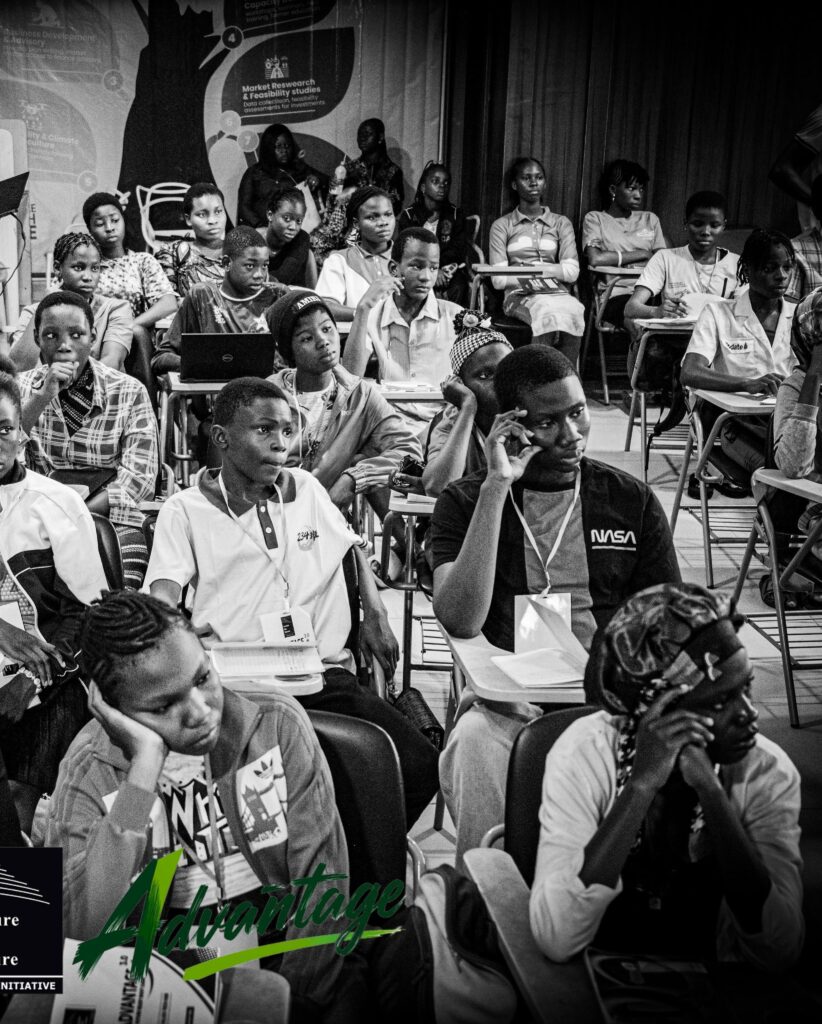
The Advantage 3.0 – Future Ready Boot Camp was an intensive four-week youth acceleration program designed to equip adolescents (ages 12–18) in Edo State with competitive digital skills, personal leadership capacity, and strong moral values. By blending technical literacy with character formation, the bootcamp successfully bridged the digital divide for underserved youth, transforming passive consumers of technology into active digital creators and future-ready leaders.
Key Metrics & Program Reach
| Metric | Target | Achieved | Performance Rate |
| Participants Enrolment | 50 | 45 | 95% of Target |
| Program Duration | 4 weeks | 4 weeks | Completed |
| Partner Schools Reached | 5 Schools | 9 (5 Public, 4 Private Schools) | Over 100% |
| Expert Facilitators | 6 Specialists | 6 Specialists | Completed |
| Guest Speakers | 2 | 2 | Completed |
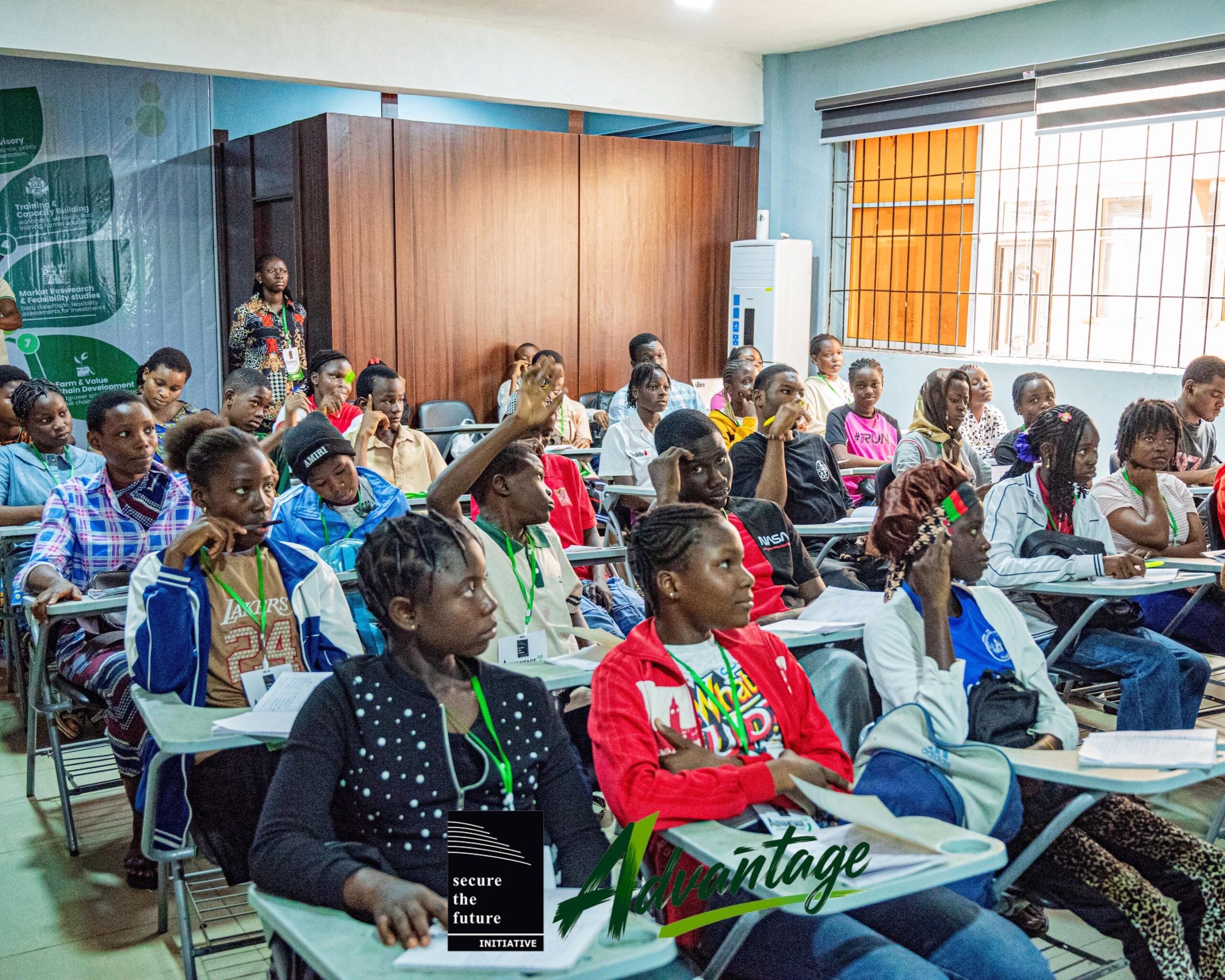
Demographics & Target Audience
- Inclusion: Gender-balanced cohort comprising both male and female participants.
- Public Sector Outreach: Members of the Secure the Future for the Youths Initiative Club (SETFIC) across public secondary schools.
- Private Sector Integration: High-potential students introduced through structured referral networks.
- Partner Public Institutions: Edo College, Idia College, Emotan Girls College, Ihogbe College, and Asoro Grammar School.
Strategic Objectives: Why This Program Matters
- Eradicating Digital Illiteracy: A baseline survey revealed that the majority of participants from public schools lacked basic computer literacy, with many having never independently operated a computer. Advantage 3.0 built their digital competency from the ground up.
- Removing Socioeconomic Barriers: High-quality digital training is financially out of reach for many driven students, particularly young women. Advantage 3.0 democratized access by eliminating all financial barriers.
- Constructive Holiday Engagement: School breaks often leave youth idle and vulnerable to negative social influences. The bootcamp provided a safe, structured, and highly productive environment.
- Holistic Character Formation: Capitalizing on SETFIC’s “Resilience in Values” project, the program seamlessly integrated robust moral frameworks with technical skills to counter the broader decline in youthful ethics.
What was Taught
- Web Design / Development
- Graphic Design
- AI & Prompt Engineering
- Content Creation
- Good Moral Values
- Female Health and Hygiene
- Cyber security and cyberbullying
The Learning Journey: Measurable Transformation
Prior to the program, a comprehensive baseline survey of the 45 participants established that
95% of students possessed zero operational digital skills, while only 5% had minor exposure to basic tools (e.g., Microsoft Word, Canva).
By conclusion, 100% of the participants achieved digital autonomy. Students transitioned from foundational computer navigation to building functional landing pages, designing corporate visual assets using Photoshop and Canva, leveraging AI tools for script-to-video generation, and articulating a personal code of ethics. (These figures come from a pre-programme survey in which all 45 participants (ages 12–18) were asked about their existing digital skills before training began.)
The Impact
The strongest evidence of the programme was not simply what students heard, but what they were able to create by the end.
- Before the Bootcamp: 95% of participants began with very limited computer experience. Some could not independently turn on or navigate a computer. Only 5% had basic exposure to tools like Word, Canva, CorelDraw, and web browsers.
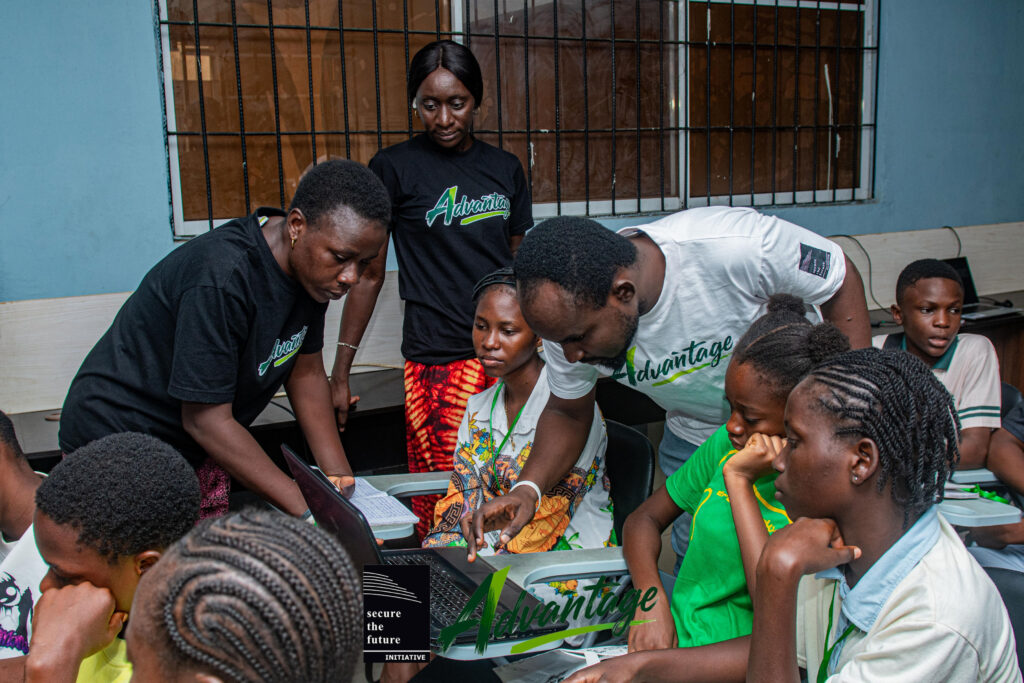
- By the End of the Bootcamp: Students were confidently using digital tools. They created landing pages, websites, and graphics. They worked with Photoshop and Canva. They used AI prompting to generate AI videos. They also set personal moral values for good character.
Performance Breakdown & Outcomes
| Focus Area | Baseline Skill Gap | Documented Outcome |
| Graphic Design | Zero or minimal visual design exposure. | Mastered logo creation, typography, and corporate visual identity design. |
| Web Development | No structural or coding knowledge. | Designed and deployed functional landing pages using modern low-code tools. |
| Artificial Intelligence | Conceptual awareness without practical use. | Mastered prompt engineering to generate AI video content and automate workflows. |
| Content Creation | Limited understanding of digital media production. | Learned to create and structure digital media for real-life ideas and businesses. |
| Applied Learning | Theoretical knowledge without execution. | Formed 5 cross-functional teams to pitch original business ideas utilizing their digital assets. |
| Character Formation | Ambiguity regarding personal values. | Formulated explicit personal ethical standards and behavioral frameworks. |
Student Voices & Proof of Impact
“The environment was highly engaging, and learning felt collaborative rather than rigid. I already had a bit of web experience, but the AI and automation classes completely opened my eyes to what I am truly capable of building.”
— Richmond Igbinosun, Program Graduate
“I learned how to create corporate flyers and use Photoshop to build visual identities for businesses. The classes were interactive, fun, and highly practical. I am so grateful to the Initiative.”
— Osarenkhoe Harry, Program Graduate
“I had never even heard of Photoshop before this. Now, I design logos and edit AI videos right from my mobile phone. In fact, I just created an AI video for a local business and was paid ₦5,000. I am earning money while learning.”
— Anita Ejiededawe, Program Graduate
Learning Became Creation
The final stage of the bootcamp challenged students to apply what they learned. Students were paired into five teams. Each team developed and presented a business idea. They brought together web design, coding, AI, graphic design, branding, video, and content creation.
Key Outcomes
- Participants gained practical digital skills through hands-on learning.
- A participant is already using her skills to generate money to support her households.
- Participants moved from limited digital exposure toward independent creation.
- Participants applied multiple skills together in team-based projects.
- Some participants began seeing digital skills as tools they can use for themselves and their families’ businesses.
- The program created a foundation for continued mentorship and advanced learning.
Challenges and Strategic Insights
- Participants arrived with highly uneven starting points.
Insight: Future Boot camps will offer different levels of support to match participants’ tech background and knowledge.
- Limited access to computers and reliable internet connectivity limited maximum output.
Insight: Sourcing dedicated Tech hub with functional computers and reliable internet service.
- Limited funding as the high demand for the bootcamp outpaced available resources.
Insight: Securing multi-year corporate sponsorships will ensure scalability.
What We Learnt
- Students learn best when training is practical, interactive, friendly, patient, and adapted to their starting point.
- Hands-on learning creates stronger engagement when the right tools and support are available.
Global Alignment: Sustainable Development Goals (SDGs)
- SDG 4 (Quality Education): Provided 45 youth with high-impact, practical digital competencies missing from standard school curricula.
- SDG 8 (Decent Work & Economic Growth): Cultivated entrepreneurial and employable skillsets to alleviate youth unemployment.
- SDG 9 (Industry, Innovation, & Infrastructure): Immersed secondary school students in cutting-edge AI technologies and digital workflows.
- SDG 10 (Reduced Inequalities): Equalized access to technology for underprivileged public school students.
The Road Ahead: Continuity Strategy
CONTINUE → MENTOR → CONNECT → EQUIP (aftercare)
We will continue engaging participants and building an alumni network. We aim to provide mentorship, advanced training, strengthen partnerships, and more importantly develop a Values-Tech Hub as a space for continuous learning for a period of 12 months.
Already Underway:
- Active Digital Alumni Network: All 45 participants have been onboarded onto a managed WhatsApp infrastructure for weekly masterclasses and monthly performance tasks.
- Active Internship: Three (3) participants from the program are now interning with Secure the Future for the Youths Initiative to receive continued mentorship.
- Partnership through Internship: Two (2) participants received a mentorship offer on entrepreneurship from one of the facilitators.
Strategic Partners & Sponsors:
This project was made possible through the support of Firm Foundation Ministries International, Volunteers of Secure the Future for the Youths Initiative, and Private Individual Donors.
The boot camp ended. The learning continues. The possibilities are just beginning.